
An article by Lachlan Buirds, Managing Director, Edale
As thousands of young people in the UK recently received their A-level results, most will be focused on college or university options. Fewer may be encouraged to consider whether a career in advanced manufacturing might suit them. I believe that is a missed opportunity.
Manufacturing, engineering and allied industries like print technology are often presented as alternatives, rather than exciting careers in their own right. The long-standing focus on university has obscured the wealth of skilled and rewarding careers available through technical and vocational pathways.
We need to move beyond talking about routes and explain why the work itself is so interesting. These careers allow young people to work with emerging technology, solve practical problems and see tangible results.
Print and packaging technology has come a long way from the outdated image many people still hold. Today’s sector combines advanced engineering, automation and digital technology to produce the labels, cartons and packaging that consumers encounter every day. Behind these products are highly skilled teams designing, building and supporting sophisticated manufacturing systems for customers around the world.
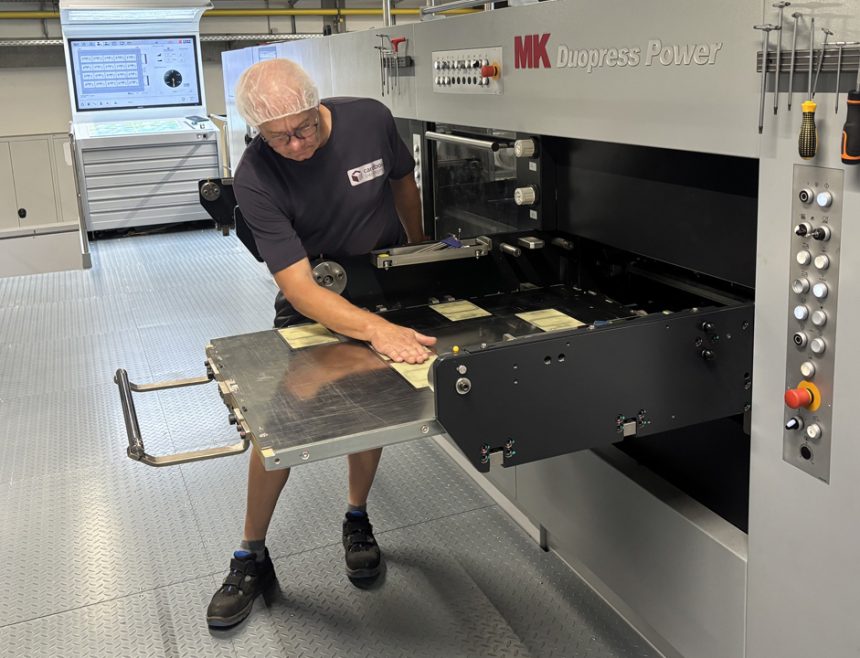
A modern printing or converting line can bring together precision mechanics, electrical systems, intelligent controls, software and automation. It must be designed, assembled, programmed, tested and maintained, creating opportunities for people with a wide range of interests and abilities.
What excites me most is seeing how many directions an engineering career can take a young person. Some may find their place in design, assembly or CNC machining, while others may be drawn to electrical engineering, software, automation, project management, print technology or international customer support.
The British Printing Industries Federation (BPIF) has developed an apprenticeship framework covering 11 standards, helping young people gain the skills and confidence needed to thrive in a modern workplace.
University and apprenticeships should not be competing options. The right choice depends on the individual, how they learn and what they want from the beginning of their career.
No two days are necessarily alike. An apprentice might help to assemble complex machinery, test automated systems or supporting a customer project. Along the way, they learn how mechanical, electrical and digital disciplines work together, while developing communication, teamwork and problem-solving skills.
What makes the experience distinctive is the opportunity to see the wider machinery journey. Our equipment is designed, built, tested and supported in Hampshire for customers around the world, allowing apprentices to understand how an initial engineering idea becomes a working production system. That exposure can extend from the factory floor and customer demonstrations to international installations, service visits and industry events.
I’ve seen first-hand how quickly a young person can progress when given the right opportunity and support. One apprentice in our business joined after college without a clearly defined career plan. Within 18 months, he had developed the knowledge and confidence to run live demonstrations of printing equipment for customers, while also receiving industry recognition for his progress. His experience shows how an apprenticeship can turn curiosity into a genuine sense of direction.
Apprentices develop in-demand skills from day one and can progress into positions of responsibility or pursue further qualifications. Because British manufacturers serve global markets, a career that begins with a local employer can also become genuinely international.
As manufacturers, we have a responsibility to show young people what modern engineering involves. But this conversation should not begin and end with the industry’s need for skills. We must make the positive case for the young person: the opportunity to work with advanced technology, take on meaningful responsibility, travel internationally and build something tangible.
I believe a careers conversation is not complete if advanced manufacturing is missing from it. For the right young person, it is not a second-choice route, but the foundation of an exciting, fulfilling and highly skilled career.