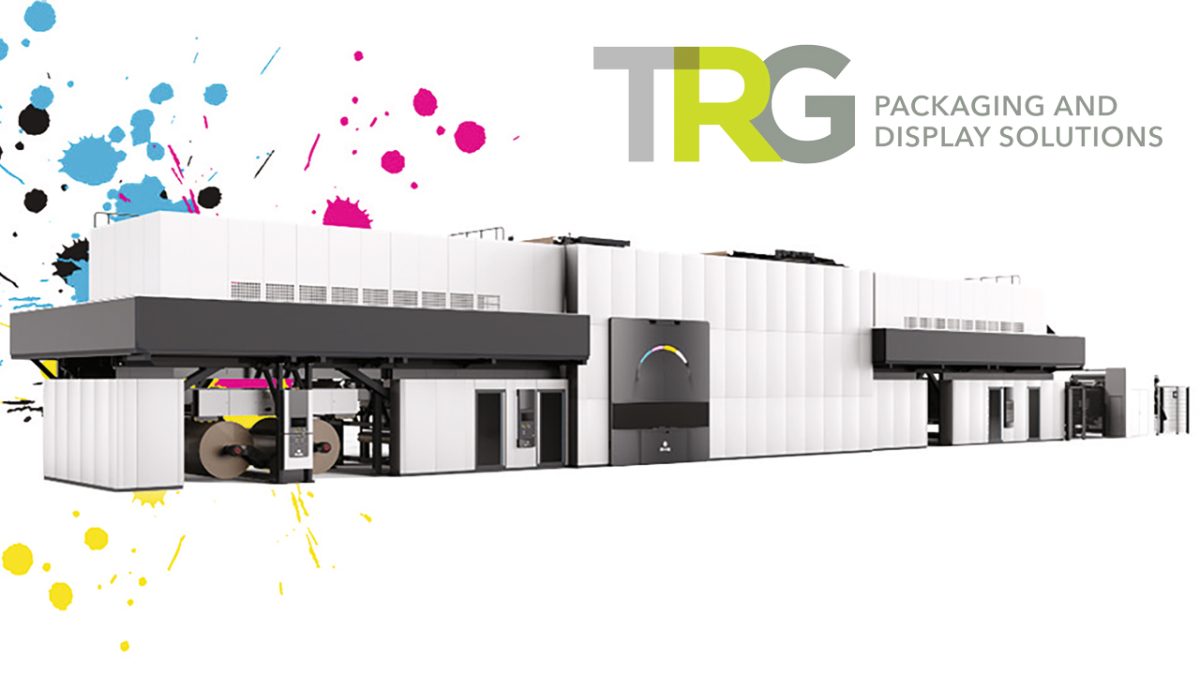

TRG Packaging and Display Solutions is making a major leap forward in digital printing for corrugated with the installation of the BHS Jetliner Xceed. This digital pre-print press will be the first of its kind in the United States.
The investment signals a bold new chapter for TRG, strengthening its ability to deliver standout packaging with greater speed, scale, and flexibility across its manufacturing network. The Xceed is built to serve multiple converting locations. By centralizing digital pre-print production, TRG is extending advanced graphics capabilities across all 21 of its plants while creating a more efficient responsive system for customers.
“This represents a significant step forward in what’s possible for corrugated packaging,” said Kevin Miller, CEO, TRG Packaging and Display Solutions. “Xceed allows us to deliver high-impact graphics at speeds and volumes that align with modern supply chains and expands those capabilities across our network. When you combine the potential of the Xceed and the new technology, with the dedication and innovation of our employees, we are highly confident our customers are going to experience innovation and flexibility that is unmatched.”

A Network-Driven Digital Print Strategy
TRG says that its customers are demanding more flexibility in their packaging supply chain, with faster turnarounds, multi-SKU programs, frequent design refreshes, and the need for agile printing solutions. Xceed’s digital pre-print technology delivers variable data, serialized elements, and dependable color consistency while cutting setup time and reducing material waste compared with traditional plate-based methods. Beyond faster time to market, the technology also streamlines complex print workflows, opening the door to more agile promotions, test-and-learn campaigns, seasonal updates, and retailer-specific customization.

A Centralized Model with Company-Wide Impact
Unlike conventional approaches that require each plant to maintain its own high-graphic print capability, TRG’s model makes digital pre-print a shared, centralized resource that supports its wider converting network. Digitally printed rolls and sheets can be produced centrally and routed as needed, enabling all facilities to handle high-graphic work. According to TRG, this approach boosts flexibility across the manufacturing system, helps balance workloads, reduces redundancies, and improves the use of advanced print assets.
Industrial-Scale Digital Performance
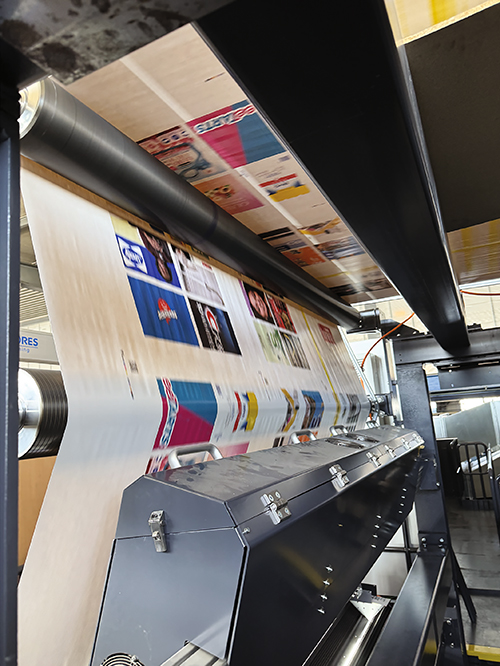
Developed by BHS Corrugated, the Xceed brings digital roll-to-roll pre-print into a true industrial corrugated production environment. It delivers up to 1,000 dpi resolution on web widths of up to 2.8m/110″ and runs at speeds of up to 300 m/min/1,000 ft/min, pushing past many of the throughput limits traditionally associated with digital printing.
The system also uses water-based, food-contact-compliant inks that support both regulatory requirements and sustainability goals, while maintaining strong, consistent color performance. Fast changeovers and low waste make it a strong fit for everything from shorter runs to high-volume production.
Print-Agnostic and Built for Flexibility
TRG is quick to note that the Xceed is not meant to replace existing print technologies. Instead, the company remains print-agnostic, choosing the best process based on the needs of each job, including quality, speed, cost, and logistics.
 With the first Xceed installation in the U.S., TRG is combining advanced manufacturing technology with an integrated multi-plant footprint, positioning itself to meet changing customer demands while driving efficiency at scale.
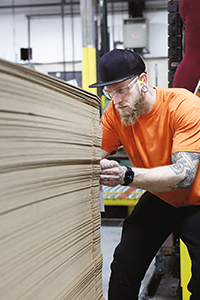
And beyond the technology, TRG says the real success of the Xceed initiative will come from its people, its operational expertise, and its ability to execute across the network.
With the right mix of team, strategy, and process, TRG is poised to deliver more than expanded capability; it’s opening the door to greater flexibility, more options for customers, and new opportunities for long-term growth.
“This is about giving our customers more options without adding complexity at every plant,” Miller concluded. “We can extend high-graphic capability system-wide while maintaining speed and consistency.”