
Sun Chemical has published its latest Sustainability Report, in which it has detailed operational improvements during 2025 that reduced water supply by approximately 6%, decreased landfill volumes by approximately 5%, and increased recycling by approximately 3%, when compared with 2024.
Myron Petruch, President and CEO, Sun Chemical, said, “Across our operations, we continued to advance our environmental priorities through focused action on energy, greenhouse gas emissions, water and waste, while strengthening the systems and governance needed to support lasting improvement. Important steps during the year included further investment in renewable energy projects, continued progress toward our 2030 climate goals, reductions in water use, increased recycling, and the ongoing expansion of environmental risk and compliance assessments across our manufacturing network.”
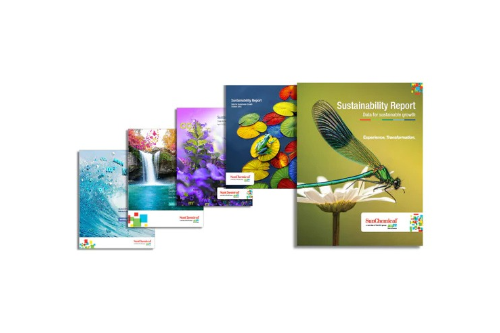
Other improvements and initiatives outlined in the company’s latest Sustainability Report, Sun Chemical’s 16 sequential annual Sustainability Report, include: renewable energy projects at manufacturing sites in Nussdorf, Austria, and Yumbo, Colombia, which support a reduction in Scope 2 greenhouse gas emission; expanded product-level transparency through approximately 12,000 Product Carbon Footprint calculations across the company’s portfolio; product developments intended to enable enhanced recyclability and compostability, increase the use of bio-renewable content, reduce energy use, and align with regulatory compliance requirements; and continued supplier engagement through EcoVadis, with Sun Chemical achieving a Silver Medal after earning a score of 79, placing the company in the top 6% of rated companies. The company also reported a global Total Recordable Incident Rate of 1.03 in 2025 and zero fatalities.
Michael Simoni, Director, Global Sustainability, Sun Chemical, said, “This report demonstrates how Sun Chemical is translating its sustainability priorities into practical action across operations, innovation and partnerships.
“By strengthening the quality of our data, expanding product carbon footprint analysis, and collaborating across the value chain, we are helping customers make more informed decisions and accelerate progress toward their environmental goals.”
Petruch added, “We know there is more to do, and we remain committed to meeting that responsibility with transparency, ambition and accountability. Our double materiality assessment strengthened sustainability governance, higher EcoVadis performance, and continued engagement with suppliers, customers and employees. This helped us make better decisions and deliver greater impact.”