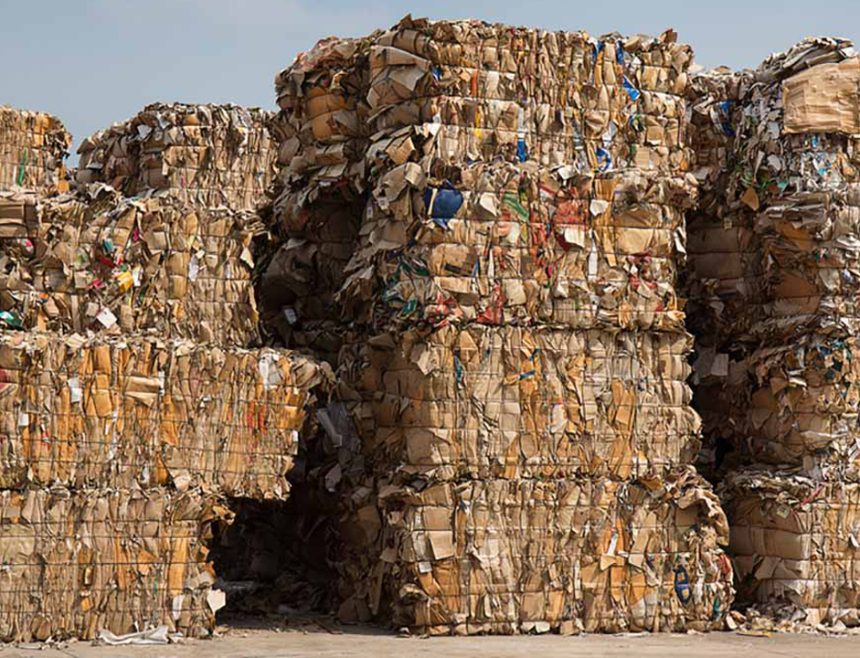
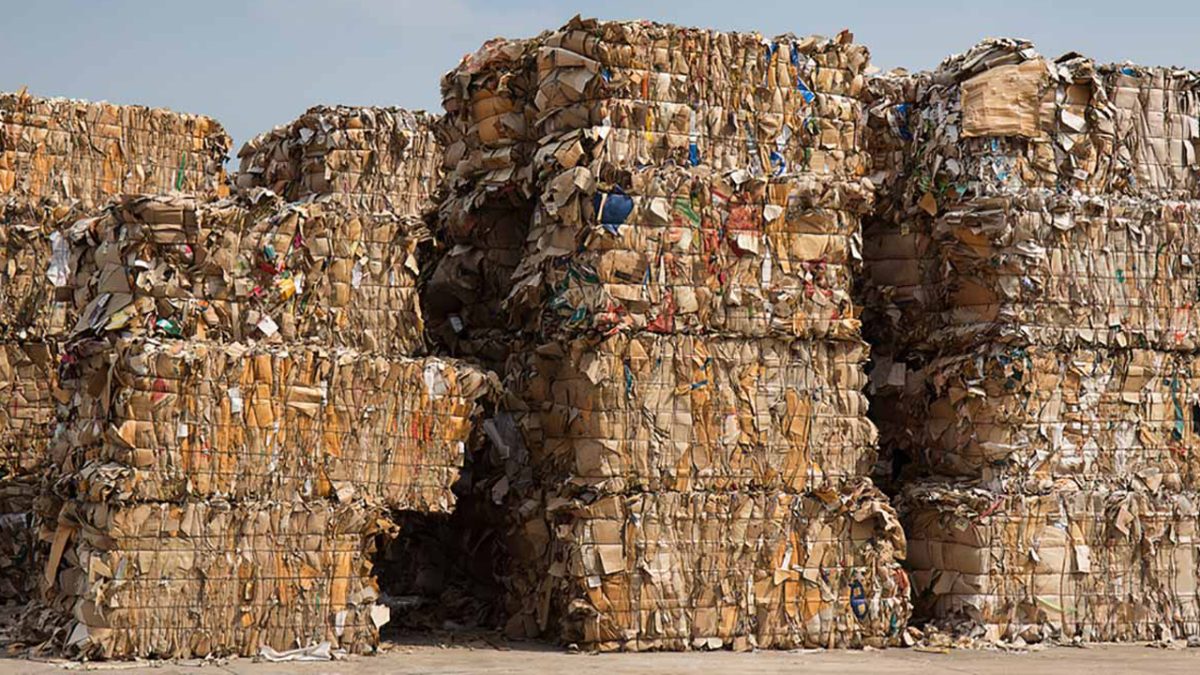

“The European recovered paper market enters the final quarter of 2026 on a firmer footing, particularly for the lower grades. OCC has shown the clearest upward momentum, with European export indicators recovering by approximately 20-25% from early-spring levels, while mixed paper has followed more moderately. Higher grades present a more differentiated picture: Sorted Office Paper (SOP) has remained comparatively stable whereas certain pulp substitutes have recently shown greater firmness,” says Francisco Donoso of DOLAF Servicios Verdes and President of the BIR Paper Division.
“This improvement should not, however, be interpreted as evidence of a broad recovery in European paper and board production. Output declined by around 1.6% in 2025, while early-2026 indicators continued to show year-on-year contraction. Graphic papers remain particularly weak whereas packaging has proved more resilient. Current recovered paper firmness therefore appears to be driven primarily by restricted collection volumes, seasonal restocking by European mills and stronger export demand rather than by a substantial increase in European paper production.
“International demand remains particularly important. India continues to reinforce its position as one of the principal destinations for internationally-traded recovered fibre, supported by packaging demand and periods of reduced domestic collection. South East Asia is also showing renewed activity, with increased interest from markets including Malaysia and Indonesia, while Vietnam’s expanding packaging sector continues to support fibre requirements.
“At the same time, periods of stronger domestic recovered fibre demand in North America have reduced export availability, creating additional opportunities for European material in Asian markets. These developments illustrate how global recovered fibre flows have become increasingly interconnected.
“Freight remains a critical variable. Europe-to-Asia trade continues to benefit from structural backhaul container availability, although geopolitical disruption and longer transit times have generated considerable volatility. More manageable conditions on some routes during recent months have helped preserve the competitiveness of European recovered paper in Asian markets, but relatively small changes in freight costs can still materially redirect trade flows.
“Virgin pulp markets are meanwhile showing signs of stabilisation after considerable volatility. Hardwood pulp has recovered from weaker levels earlier in the year while softwood pulp has remained comparatively stable. The direct impact on OCC and mixed paper is limited as these grades are influenced more strongly by packaging production, collection and exports. The relationship is more relevant for SOP, pulp substitutes and other higher grades where movements in virgin pulp can have a more direct influence. At the same time, the continuing structural decline in printing and office paper is progressively reducing the availability of high-quality recovered fibre, potentially making these grades increasingly sensitive to periods of supply tightness.
“Overall, the European recovered paper market has strengthened compared with the beginning of 2026, with OCC currently displaying the strongest momentum and mixed paper following the same direction more moderately. The balance nevertheless remains complex: European industrial demand is still relatively subdued, while constrained fibre availability and international competition for recovered paper are providing support.”
He concludes, “Over the coming months, the key indicators will be European collection volumes, containerboard operating rates, Indian and South East Asian import demand, North American export availability, virgin pulp developments and Europe-to-Asia freight conditions. Their interaction will determine whether the current tightening persists as 2026 draws to a close.”