
As a part of its long-term ambition to develop the world’s most sustainable food package, Tetra Pak has introduced an innovative solution in its aseptic beverage cartons where the traditional aluminium foil layer is replaced with a new paper-based barrier.
This innovation increases the paper content in food and beverage cartons to approximately 80% and, when combined with plant-based polymers, increases the traceable renewable content of a carton up to 92% – cutting the carbon footprint by up to 43%. By simplifying the material structure from three to two main materials: paper and polymers, further benefits are anticipated for recycling infrastructure. These include maximising the recovery of paper content during the recycling process of carton packages and delivering high-quality fibre and non-fibre fractions.
To accelerate the development of this innovative aseptic packaging material, Tetra Pak is investing €60m in a new paper-based barrier pilot plant in Lund, Sweden. This facility will also provide its customers with valuable insights into the new solution across the entire manufacturing journey – from barrier creation to packaging material and filled package production. The paper-based barrier pilot plant will be located in Lund, selected for its strong ties to existing research and material development, close collaboration with Lund University, and access to advanced testing capabilities at the MAX IV Laboratory in Lund.
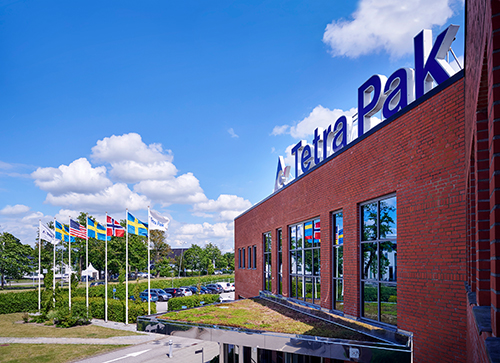
Joakim Tuvesson, Vice President Materials & Package, Tetra Pak commented, “By expanding our facilities and strengthening strategic partnerships, we aim to make our innovative paper-based barrier accessible to more customers, accelerating their transition to sustainable packaging materials. We look forward to starting production and welcoming first customers to the new pilot plant in the first quarter of 2027.”

