
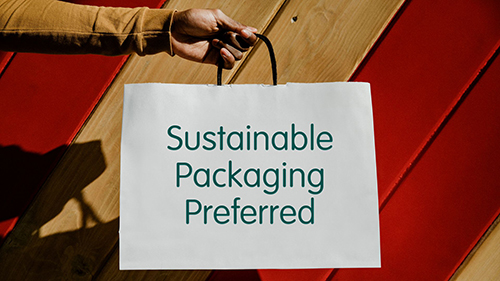
Consumers across Europe are sending a clear message to retailers: sustainable packaging matters. The 2025 Trend Tracker survey, the latest consumer research report from Two Sides, reveals the demand for paper-based packaging is strong both online and in-store, with shoppers increasingly rewarding brands that choose renewable, recyclable materials.
The rise of online shopping has surged in recent years, transforming the way consumers purchase goods. With just a tap or click, shoppers can find what they need, place an order and have it arrive at their doorstep within a day. While the speed, convenience and ease of e-commerce are widely appreciated, growing attention is being placed on another aspect of the experience: the sustainability of the packaging and delivery methods used.
The findings from the survey reveal that 62% of European consumers prefer products ordered online to be delivered in paper packaging, highlighting growing expectations for sustainable e-commerce. A further 53% of consumers say they are actively taking steps to increase their use of paper packaging in their daily lives and would buy more from a retailer committed to removing plastic from its packaging.
“These statistics show a powerful shift in consumer behaviour,” says Jonathan Tame, Managing Director of Two Sides Europe. “Shoppers are not just passively accepting what’s given to them, they are making conscious decisions to support brands that match their environmental values. For retailers, this is a clear opportunity to align packaging choices with customer expectations.”
When it comes to physically shopping at a retailer, shopping bags’ environmental credentials continue to stand out. 63% of consumers prefer paper bags for being compostable and biodegradable, with 56% preferring them for being the most recyclable option. This preference reflects both the practical benefits of paper and growing public awareness of its role in a circular economy.
Paper bags are typically made from renewable fibres sourced from sustainably managed forests. They are widely collected and recycled across Europe and, unlike many plastic alternatives, naturally biodegrade without leaving harmful residues. Paper and cardboard is the most recycled packaging material in Europe. In 2023, 87% of all paper-based packaging was recycled, outperforming metallic packaging (78%), glass packaging (75%) and plastic packaging (42%).
For brands and retailers, the preference for paper-based packaging represents more than an environmental consideration, it’s also a commercial advantage. The fact that over half of consumers say they would buy more from retailers who remove plastic shows that packaging choices directly influence purchasing decisions.
This aligns with wider trends toward ethical consumption, where customers look beyond price and quality to assess a product’s environmental footprint. In competitive retail sectors, sustainable packaging can be a key differentiator, helping businesses strengthen brand trust and customer loyalty.
“With increasing attention on waste reduction and resource efficiency, paper-based packaging offers a practical, proven solution,” says Tame. “It meets the needs of modern retail, performs well for both protection and presentation, and is trusted by consumers as the right environmental choice.”
From online deliveries to in-store shopping, European consumers are showing clear, consistent support for paper-based packaging. Retailers who embrace this preference can not only reduce their environmental impact but also tap into a growing market of sustainability-minded customers.
An executive summary of the Trend Tracker Survey 2025 was published in June and is available to industry stakeholders upon request. Visit twosides.info/trend-tracker-2025 to register your interest in receiving this summary.
To find out more about the Two Sides campaign and how you can become a supporter, visit www.twosides.info

